Originally shared on LinkedIn on 31 May 2026.
AI can produce a very impressive presentation about its own importance. The more useful question is what happens after the presentation ends.
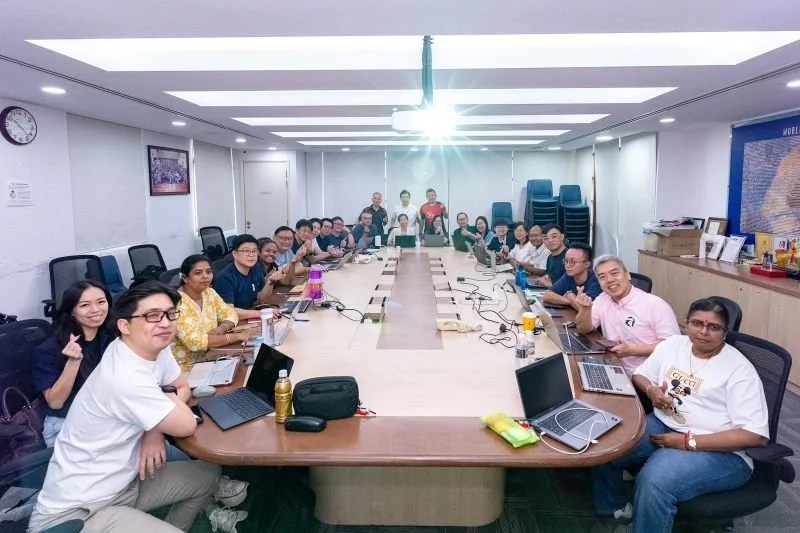
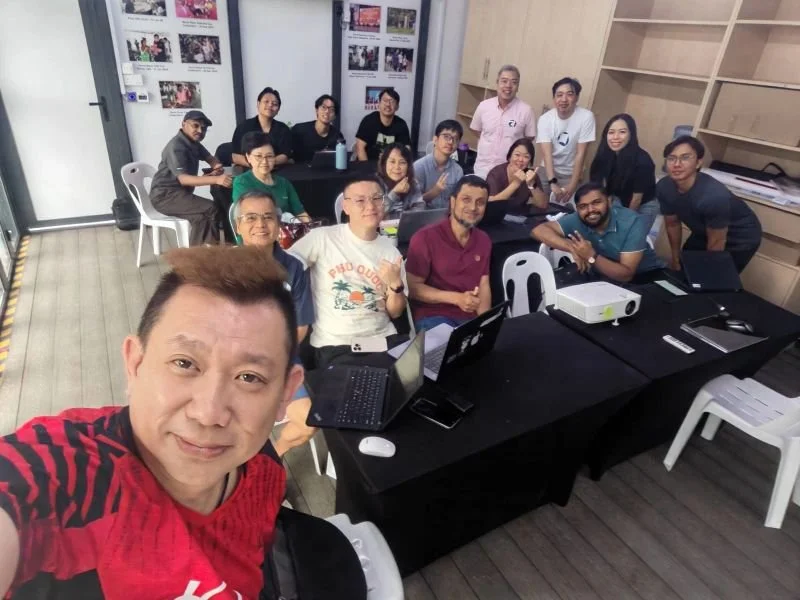
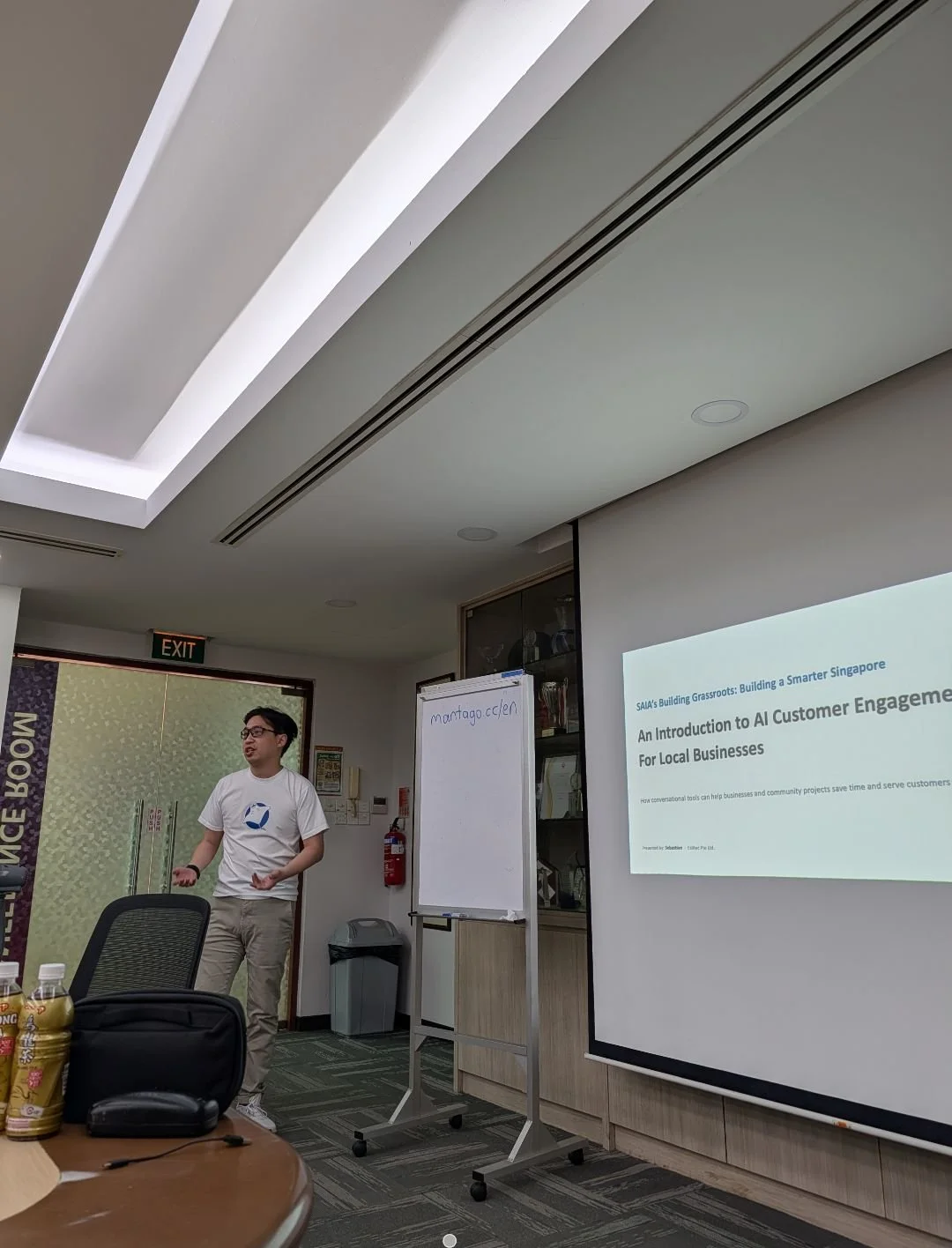
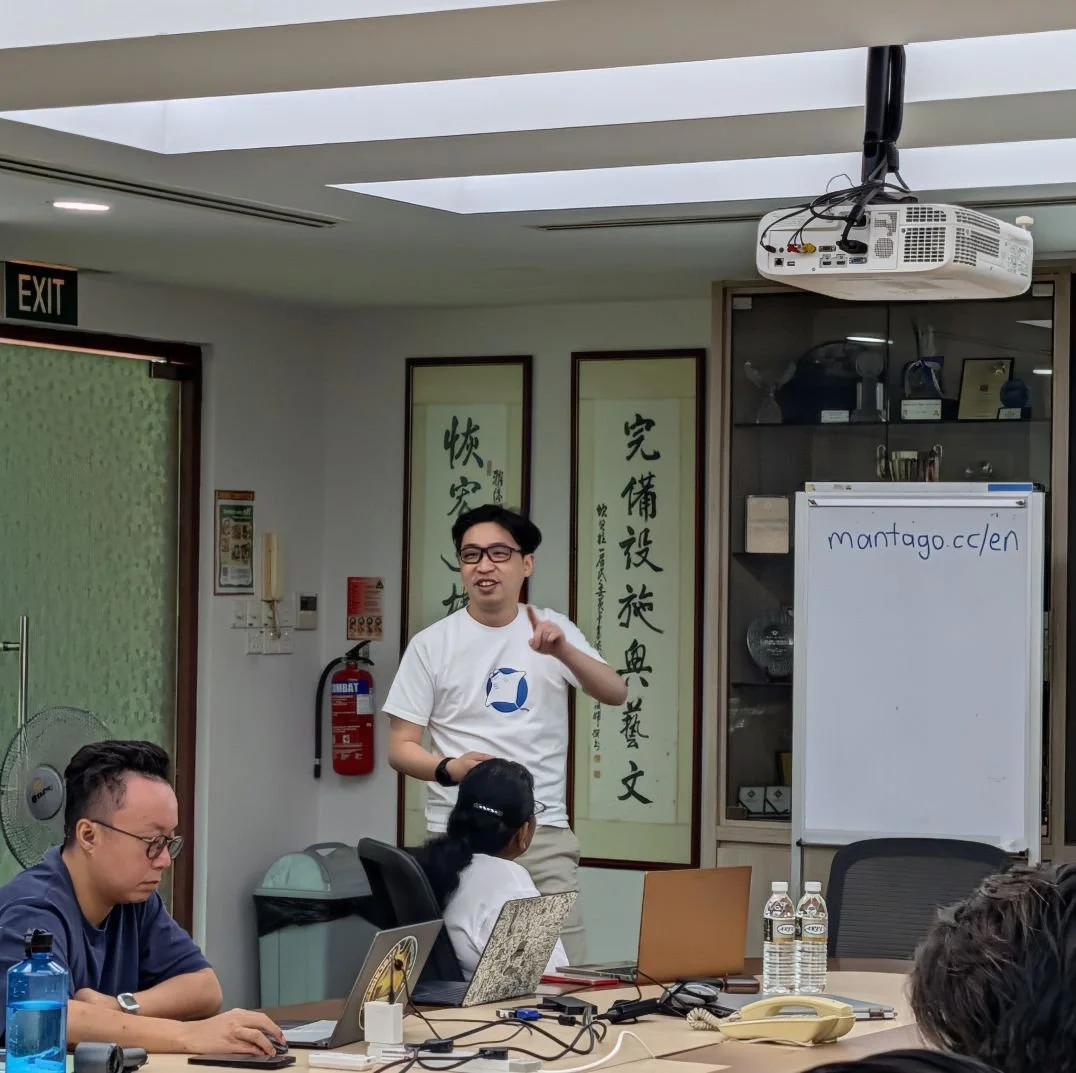
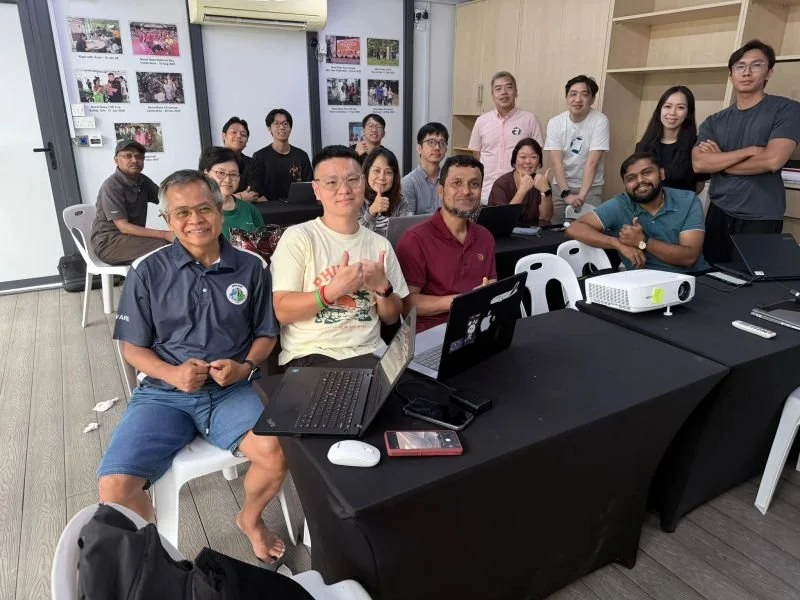
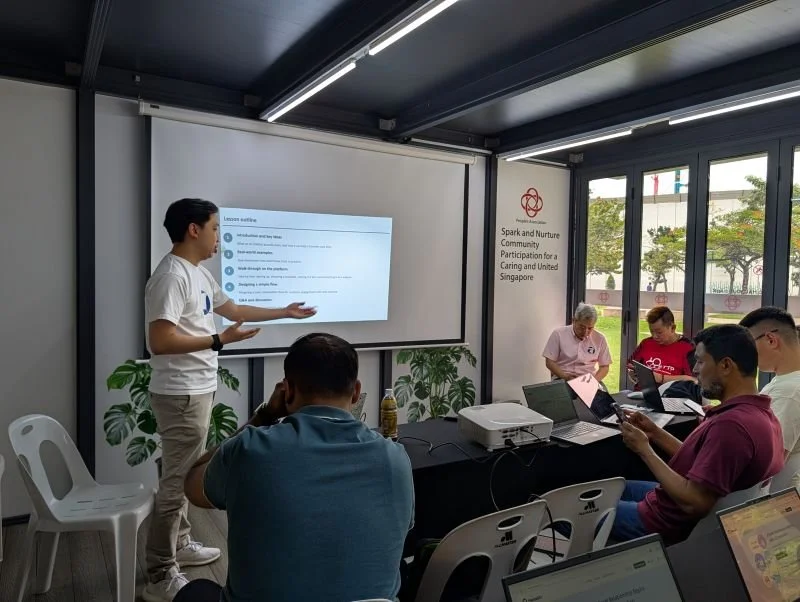
At a Singapore AI Association masterclass with community leaders at Canberra CC and Naval Base CC, Wee Kiat Lau and I covered AI content generation and customer engagement. The purpose was practical: exploring how these tools could support communication and service to residents.
I appreciated the questions and willingness to learn. Dr Marcuz Tan and the grassroots teams helped make the sessions possible, and Gabriel Lam, MP for Canberra, joined the class.
That experience reinforced a point worth carrying into business as well as community education. People need a useful starting point. A long list of capabilities can be exciting, but it does not automatically tell someone what to do on Monday morning.
Start With One Task
A practical starting exercise is to choose one recurring task and describe it without mentioning AI. Who needs help? What information do they need? What takes too long? What would a better experience look like?
For example, a team could explore drafting a clearer first version of a routine announcement. The important part is to define the task before choosing the tool.
Keep Judgment In The Process
A small experiment should also have boundaries. Decide which information can be used, who checks the output and how mistakes will be corrected. A polished sentence still needs somebody to check whether it is true.
Useful review questions include:
Is the message accurate and understandable?
Does it answer the question the reader actually has?
Is any information sensitive or inappropriate to include?
Who takes responsibility before the result is shared?
Make The Next Step Manageable
After a trial, compare the result with the original task. Keep what helps, change what does not, and leave room for questions. A modest improvement that people understand is a sensible foundation for the next experiment.
There is plenty to explore with AI. The starting point can still be refreshingly ordinary: one task, a clear purpose and people who know what good looks like.
Adapted from my original LinkedIn post:
https://www.linkedin.com/posts/sebastien-khoo-mba-87aa2a16b_singaporeai-saia-artificialintelligence-activity-7466669805018771457-19fG
